

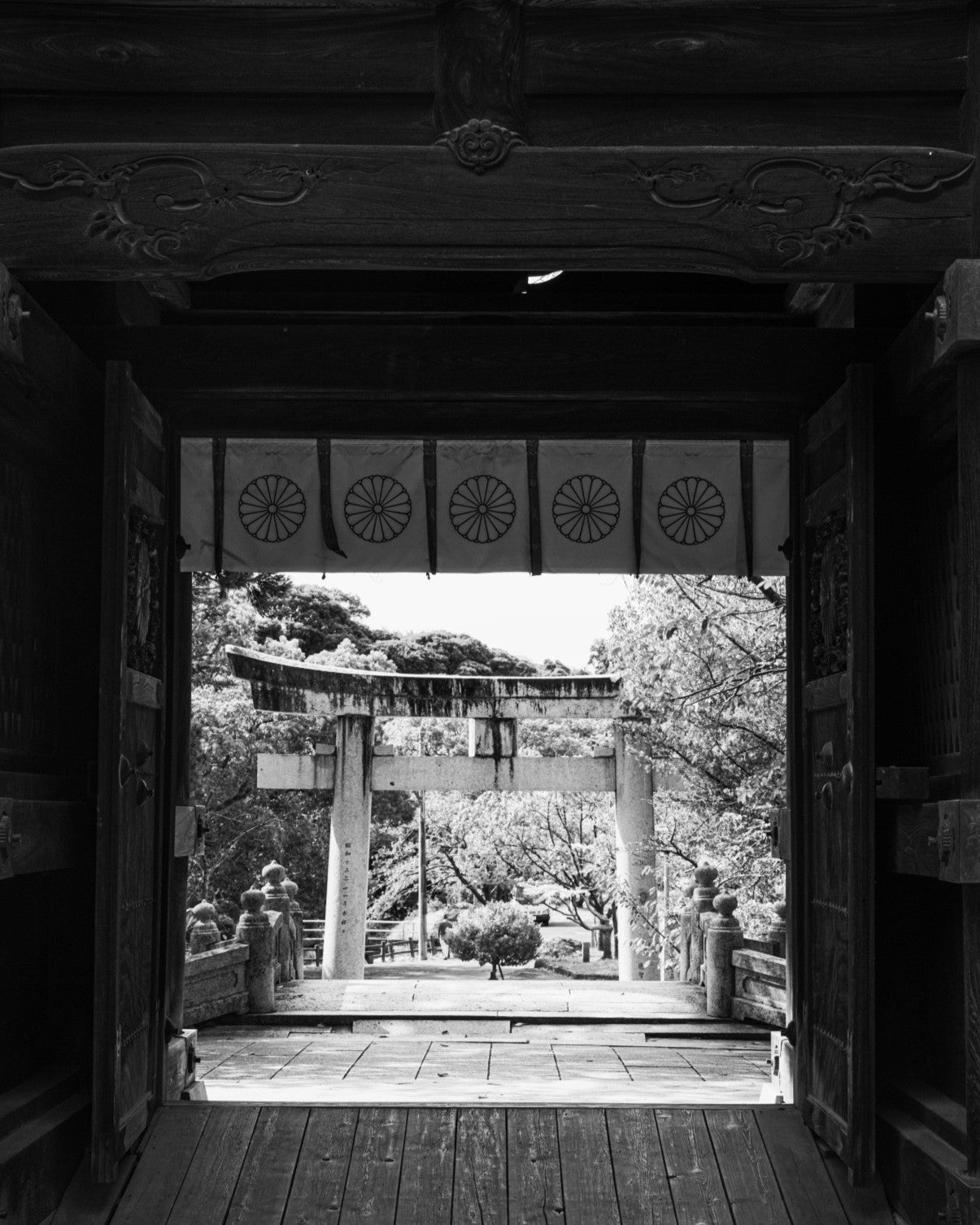
The Difference Between Temples and Shrines.
In Japan, spiritual spaces come in two main forms: temples and shrines.
To many visitors, they might look similar.
But in Japanese culture, these two places belong to completely different spiritual traditions.
Understanding the difference makes every visit richer and more meaningful.
Temples : The World of Buddhism
A temple (寺 tera) is part of Buddhism, a tradition that arrived from India and spread through China and Korea before reaching Japan.
Temples honor Buddhas and bodhisattvas, and they are places for meditation, learning, and spiritual practice.
Inside a temple, you'll often find:
- Incense drifting through the air
- Statues of Buddha
- Monks chanting sutras
- Spaces for quiet reflection
The architecture is calm and heavy with history, and many temples are over a thousand years old.
Shrines : The Spirit of Shinto
A shrine (神社 jinja) belongs to Shinto, Japan’s indigenous spirituality.
Shrines honor the kami—the countless deities connected to nature, ancestors, and everyday life.
You can recognize a shrine instantly by its torii gate, a symbol that marks the entrance to sacred space.
Inside, you may see:
- Purification basins for washing hands
- Amulets and charms
- Ema wooden plaques where visitors write wishes
- Rituals led by Shinto priests dressed in white
Shrines feel bright, open, and connected to the living world around them.
How to Tell Them Apart
A simple guide :
- Temple → Buddhism → statues, incense, monks
- Shrine → Shinto → torii gate, charms, natural spirits
Even in busy cities, the contrast is surprisingly clear once you notice it.
Different Ways of Prayer
Temples and shrines also have different forms of worship:
- Temple : put your hands together and quietly bow
- Shrine : bow twice, clap twice, bow once (a traditional Shinto ritual)
Both practices express respect but come from different spiritual roots.
A Deeper Appreciation of Japan
Understanding this distinction opens a new layer of Japanese culture.
When you walk under a torii or step into a candle-lit temple hall, you're not just sightseeing—you’re entering a spiritual world shaped by centuries of belief.
Japan’s temples and shrines are living expressions of how the Japanese people connect with nature, ancestors, and inner peace.
Read more

Since its release in 1966, the classic masterpiece “The Book: On the Taboo Against Knowing Who You Are / Alan Watts” continues to sell well today. It explains the world as follows: A person who doe...

Goethe is known as a literary giant, but he was also someone who developed unique insights concerning “nature.”His approach involved not merely treating nature as an “object to be explained,” but r...