


In Mahayana Buddhism, “Bodhicitta” can be simply described as “the resolve to seek enlightenment and liberate all beings from suffering.” In Sanskrit, it is called “Bodhicitta.” Bodhi means enlight...

Mahayana Buddhist enlightenment (i.e., Bodhisattva enlightenment) is broadly defined as a state of being where two elements are inseparably united: “Understanding emptiness (kuu) to release the min...

Goethe is known as a literary giant, but he was also someone who developed unique insights concerning “nature.”His approach involved not merely treating nature as an “object to be explained,” but r...
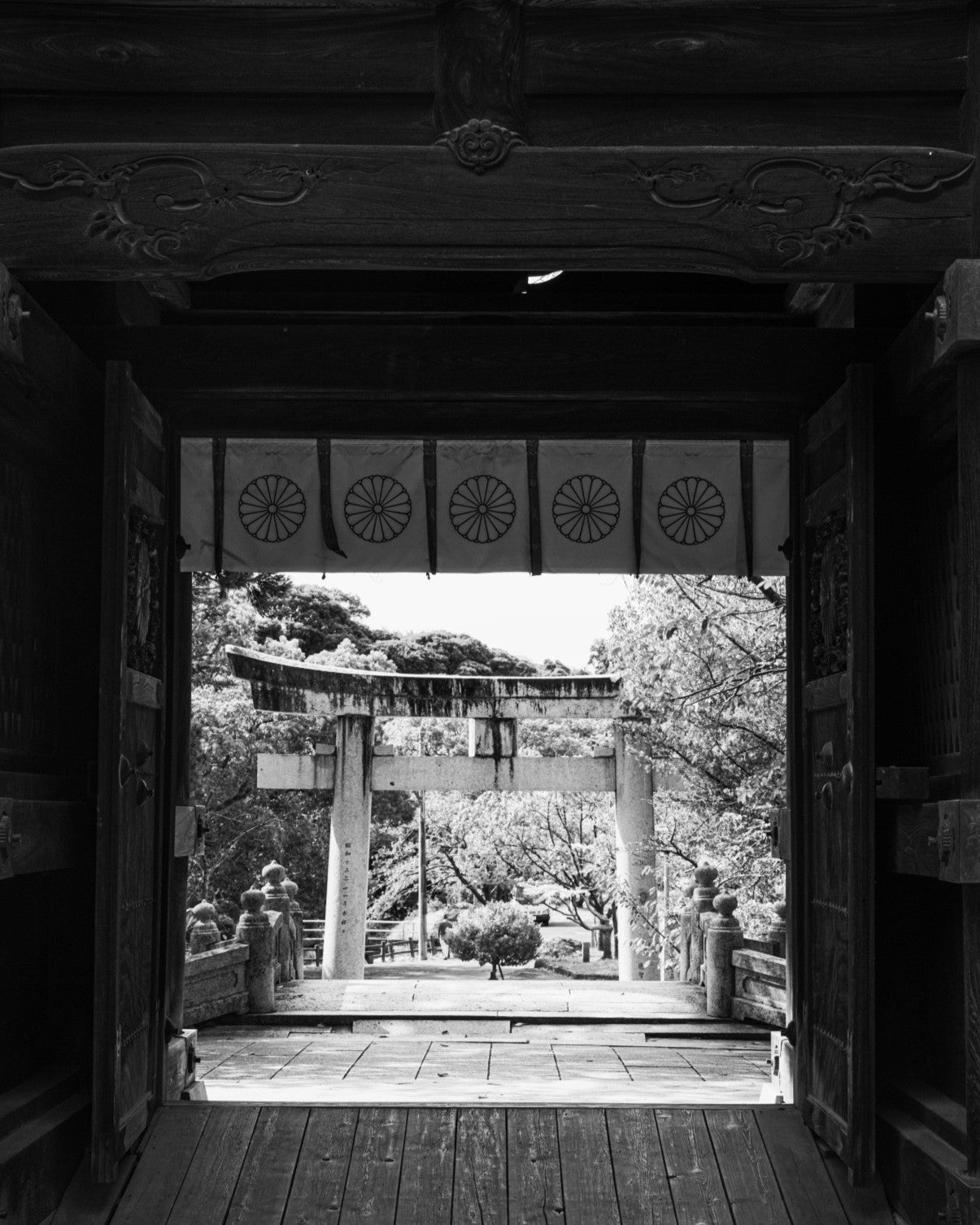
In Japan, spiritual spaces come in two main forms: temples and shrines.To many visitors, they might look similar.But in Japanese culture, these two places belong to completely different spiritual t...

Since its release in 1966, the classic masterpiece “The Book: On the Taboo Against Knowing Who You Are / Alan Watts” continues to sell well today. It explains the world as follows: A person who doe...

Desire arises from expectations we hold for ourselves. Things like, “I should be able to become this wealthy.”However, expectations for ourselves also involve assigning meaning to ourselves. For ex...

What is happiness for you?Having money? Being recognized by others?Isn't the ultimate goal to “recognize yourself”?Deep within the desire to be recognized by someone else lies the wish to gently af...

1. It is not because we are happy that we are grateful.It is because we are grateful that we are happy. 2. The high wall that tormented youwill now become a large shield that protects you. 3. On su...

Many people believe that happiness comes from attaining status, money, or possessions.But Buddhism teaches this: What determines happiness is always your ‘mind’. The mind that feels happiness can b...